
Tire and repair: Symptoms, Causes & Quick Fix
Electric vehicles chew through tires faster than gas cars, and repairing them requires knowing the specific rules for foam-lined, reinforced tires. The main reason is weight—EVs typically carry 800–1,200 lbs of battery—combined with instant torque that stresses the drive axle tread. The practical takeaway: you can safely repair most punctures in the tread area, but you must verify the shop uses an inside patch‑and‑plug method, and you must treat tire pressure and rotation as non‑negotiable range‑saving habits.
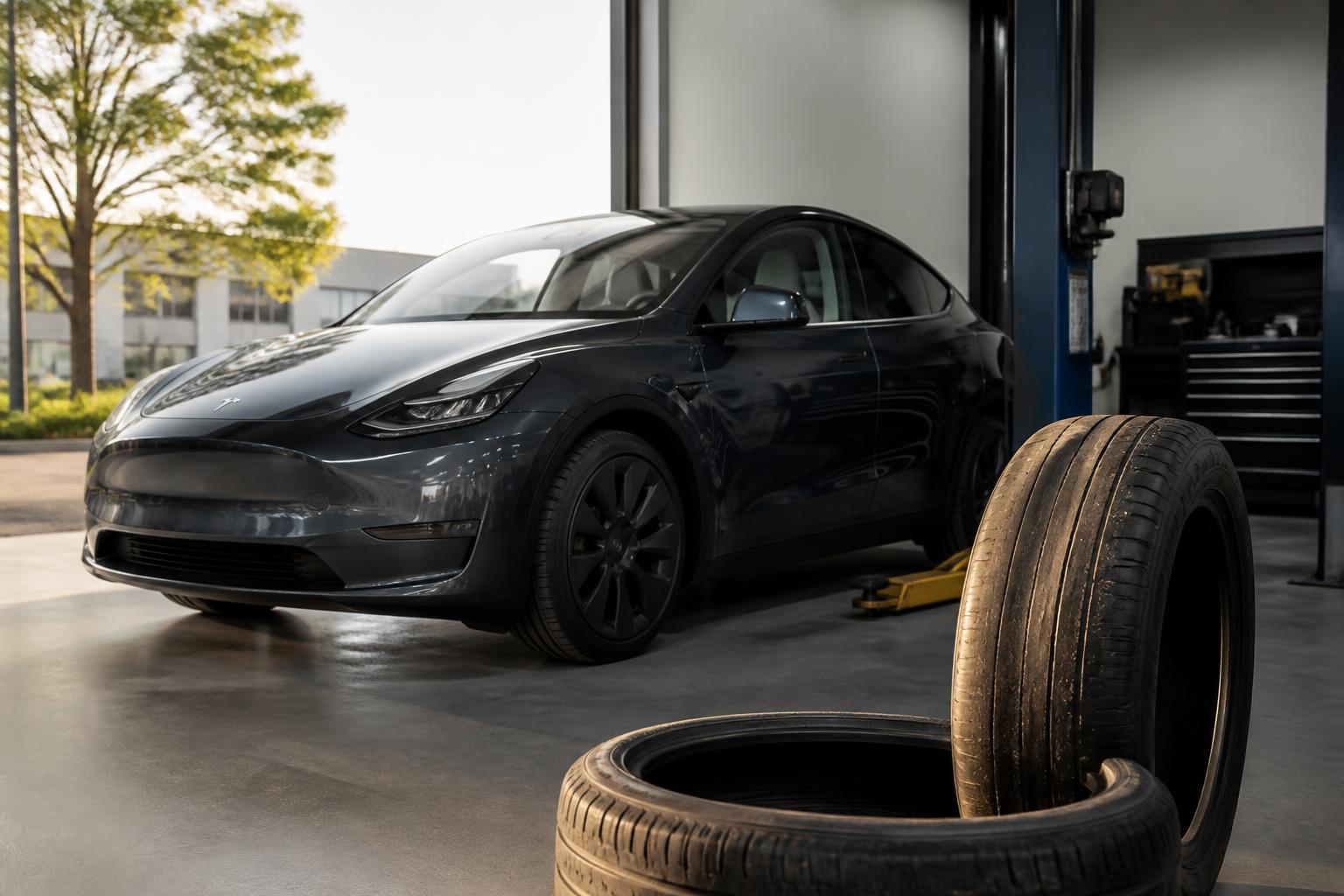
Why EV Tires Wear Faster (and What That Means for Repair)
Weight and Torque
A midsize EV like a Tesla Model Y or Ford Mustang Mach‑E weighs about 4,500 lbs—roughly 25–30% more than a comparable gas sedan. The instant‑on torque can spin tires on wet pavement, causing the drive axle tread to wear 20–30% faster than the other axle. This uneven wear is why rotation intervals are tighter on EVs.
EV‑Specific Tire Features
- Low‑rolling‑resistance compounds – harder rubber that extends range but sacrifices grip and shortens tread life.
- Reinforced sidewalls – extra ply layers to prevent bulging under load. Sidewall damage is never repairable.
- Foam inserts – a polyurethane ring glued to the inner liner to reduce road noise. A puncture near the foam can tear it, creating a vibration that a simple plug won’t fix.

Trade‑off: Replacing an EV tire with a cheaper non‑EV model saves money upfront but reduces range by 3–8% due to higher rolling resistance and increases cabin noise significantly. The reinforced sidewall is also absent, which raises the risk of sidewall failure under the vehicle’s weight.
Tire Pressure: The #1 Efficiency and Safety Check
Underinflated tires are the biggest range killer under your control. Losing just 5 PSI can cut EV range by 3–5%. Low pressure also overheats the sidewall, accelerating wear and increasing blowout risk.
How to verify correct pressure on your car:
1. Let tires cool for at least one hour after driving.
2. Use a gauge that reads to 120 PSI—most EV tires call for 36–42 PSI cold. The AstroAI Digital Tire Pressure Gauge 0-150PSI is calibrated to ±1 PSI and has a backlit LCD for use in dim garages.
3. Compare to the sticker inside the driver’s door jamb, not the sidewall max.
4. If one tire is low, check all four—singles often signal a slow leak.
Earliest checkpoint: The moment the TPMS light comes on, drive no more than a few miles to a safe spot, check pressure, and add air. Driving an EV tire below 25 PSI can permanently damage the sidewall and void any road‑hazard warranty.
When and How to Repair an EV Tire – What Actually Works
Most punctures in the tread area (away from the sidewall) can be repaired the same way as a conventional tire—with a combined plug and patch applied from the inside. But three EV factors create exceptions:
| Factor | What to Watch For | Repair Possible? |
|---|---|---|
| Foam insert | Puncture tears the foam, causing imbalance | May need foam‑replacement kit or tire replacement |
| Reinforced sidewall plies | Any sidewall damage (bulge, cut) | <strong>Not repairable</strong> – replace tire |
| Run‑flat technology (e.g., BMW i3) | Puncture ≤ ¼ inch and not on sidewall | Repairable only per manufacturer guidelines |
The safe repair method: Only accept an inside patch‑and‑plug repair. External string plugs are temporary get‑home fixes and must be replaced within 100 miles. A proper repair preserves the foam’s structure and the tire’s speed rating.
How to confirm a shop can do this right: Call ahead and ask, “Do you dismount the tire and apply a patch from the inside for EV tires with foam?” If they say “We just plug from the outside,” go elsewhere. Also ask if they use a touchless tire machine to avoid scratching your rims.
When to skip repair entirely:
- Puncture within 1 inch of the sidewall (shoulder area).
- Hole larger than ¼ inch (6 mm).
- Tire was driven flat—sidewall damage is likely.
- You see a bubble, bulge, or cord separation.
Five Quick Checks Before Every Road Trip
Use this checklist to catch problems before they strand you. Each item takes under a minute.
- [ ] Pressure (cold) – All four tires within 2 PSI of the door‑jamb spec. Use your gauge.
- [ ] Tread depth – Insert a penny head‑first into the shallowest groove. If the top of Lincoln’s head is fully visible, tread is below 2/32″ – replace the tire.
- [ ] Visual sidewall scan – Look for cuts, bulges, cracks, or foam protruding around the bead area.
- [ ] Rotation due – Check the odometer since your last rotation. If over 7,500 miles, get it done before a long drive.
- [ ] TPMS test – Start the car and confirm the TPMS light goes off within 30 seconds. If it stays on or flashes, address the fault.
Alignment, Rotation, and Balancing – The Maintenance Trio
Alignment – Even 0.1° of extra toe‑in can scrub thousands of miles off tread life. EVs are extra sensitive because the heavy front end and low‑rolling‑resistance compounds amplify wear from poor alignment. Get an alignment check every 12 months or when you notice uneven wear on one edge of a tire.
Rotation pattern – For most EVs with staggered sizes (wider rear tires, common on Teslas), rotate side‑to‑side on the same axle; do not cross. For non‑staggered, use a forward cross pattern. Follow your owner’s manual.
Balancing – A vibration that appears at 45–70 mph often means a lost wheel weight. Driving on a shaking tire can detach the foam insert, making the tire unbalanceable and requiring replacement. If a re‑balance doesn’t smooth out the vibration, have the tire checked for foam separation.
When to Escalate to a Professional
You can handle pressure checks, visual inspections, and even validating a shop’s repair method. But hand off to a tire shop when you see any of these red flags:
- Vibration remains after re‑balance and rotation.
- TPMS light returns within a few days of adding air – you have a slow leak needing dismounting.
- Foam separation suspected – a thumping noise that changes with speed, and the tire cannot be balanced.
- Sidewall damage – any cut, bulge, or abrasion deeper than 1/16″ means replacement, no repair.
Find a shop with EV tire experience. Call ahead and ask if they do inside patch‑and‑plug repairs on foam‑lined tires. If they say “we just plug them from the outside,” go elsewhere.
Practical Implication: What This Means for Your Next Decision
After reading this, you should know that keeping your EV’s original tires is usually the best bet for range and noise, but that you can repair most tread punctures if you find the right shop. The biggest mistake is delaying a pressure check or rotation because EV tires wear unevenly faster. Set a recurring calendar reminder for rotation every 6,000 miles and buy a quality gauge like the AstroAI to catch low pressure early. If a repair is needed, verify the shop’s method before dropping off the car—one bad plug can waste a tire that could have been saved. And never drive on a sidewall bulge; that’s an immediate replacement.
With these habits, your EV tires will last closer to their promised mileage, and you’ll avoid the frustration of unexpected replacements or range loss.

EV owner and automotive writer with 8+ years of hands-on experience across Tesla, Hyundai, Ford, and Nissan EV platforms. Former automotive technician. Certified in high-voltage system safety (Level 2). When not diagnosing charge port faults or testing range in cold weather, I’m helping other EV owners skip the dealer trip and fix problems themselves.